After I had sewn several
burp cloths, I felt confident that I could handle a bib; so, I started searching the internet for patterns and ideas.

I fell in love with the look of this
Martha Stewart Baby Bib. On her site, you'll find a list of materials needed, with the
baby bib template and step-by-step directions. Using just her pattern, I decided to do a much simpler bib...
Martha recommends printing out the bib pattern at 150%, which requires extra large printer paper, or taping the two pages together after printing on normal size paper. After printing at that size, I thought the bib looked more the size that my boyfriend's 18 month old nephew would wear. So, I printed another pattern to fit on one 8.5"x11" page - that was more 'baby' sized.
Naturally, most newborns are not going to need a bib, but the littleness of a tiny baby bib is just completely adorable! My sister was able to use the tiny bibs, but they didn't cover a lot of the baby's clothing. Unless you're expecting a very drool-y baby (my boyfriend's nephew was and still is at almost 3!), you will probably want to make a more practical bib for when he/she starts eating baby food. I recommend enlarging the pattern to at least 125%.
For this tutorial, I'm showing the pattern printed at 150% - about 15" x 10" - which sews down about an inch, as you can see in the photos.
For most of the bibs that I made, I used flannel on one side and terry cloth on the other. I thought that this would not only make them soft and absorbent, but also after the baby is done eating, Mom could wet the towel side to wash baby's face and hands.
Once you have your two pieces cut out, pin them together inside-out and stitch along the edge. Be sure to leave an open spot to turn the bib right-side-out again.
For this bib, I used binding around the collar and extra to tie; so, I stitched all the way around the bib, except for the neck area.

Then I turned it right-side-out and pinned on the binding. (That's the trickiest part! Pinning the binding and then sewing an even stitch around the neck.)
Choose whether you want the bib to tie or Velcro to fasten the back; I did some of each. Martha Stewart uses metal snaps, but I did not want to try my patience with those!
If you are following my pictorial, you'll want to make sure to also sew along the binding string for the tie, to prevent fraying.
And the bib is complete!
Aren't they just so fun and cute?
Here are a couple other bibs that I added a few extra things to:
Make a tie to sew on the bib. Or create appliqués using iron-on transfer paper.

After sewing several bibs using the binding like this, I made one a bit differently - and it's a little easier if you don't want to deal with binding...
For the bib above, once I had the two pieces cut, I took two pieces of ribbon and pinned the ends to each side of the collar. You want to make sure the ribbon is between the two pieces of fabric, then start pinning the pieces together like I show for the other bib (still, with the fabric inside out).
This time, instead of sewing around the edge and leaving the neck open, leave about two inches of the bottom of the bib open. Once sewn, turn the bib right-side-out and the ribbon should be sewn into the bib for the tie.
For the other side of this bib, I used a hand towel that I bought on clearance after Valentine's Day. Isn't it too cute?!
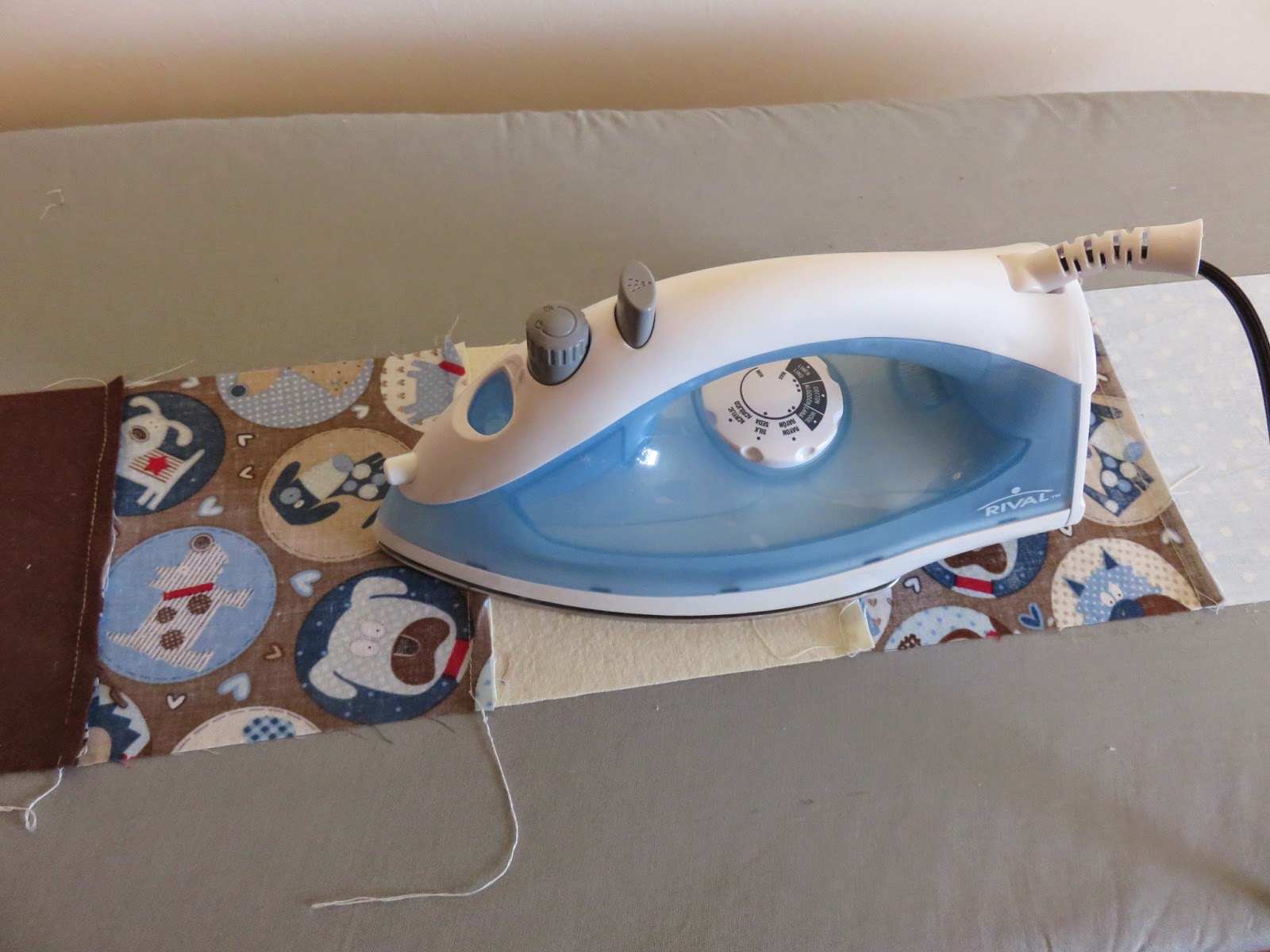
Now I like to iron the bib, folding the unsewn section fabrics into the bib. Then place a couple pins through the unsewn section on the bottom, and finish the bib by sewing along the entire edge. (This is very much the same process as my
burp cloths.)
Unfortunately, I didn't think to take pictures during this bib. However, if you'd like more pictures to show these steps, please let me know and I will take more pictures with the next bib I make; just leave me a comment!
As you can see, there are so many different ways to make this baby bib! Are you ready to make one?